

Symptoms of Low Testosterone and the Benefits of Hormone Replacement Therapy for Men
At Urban Wellness Group in Portland, OR, Dr. Zabell and his experienced team specialize in diagnosing and treating low testosterone in men. Common symptoms of low testosterone include fatigue, reduced libido, muscle loss, and mood changes. Hormone replacement therapy (HRT) can help restore energy levels, improve mood, and enhance overall well-being. We offer personalized treatment plans to ensure the best results for your health. For more information, contact us or book an appointment online. Visit us at 4900 SE Division St, Portland, OR 97206.
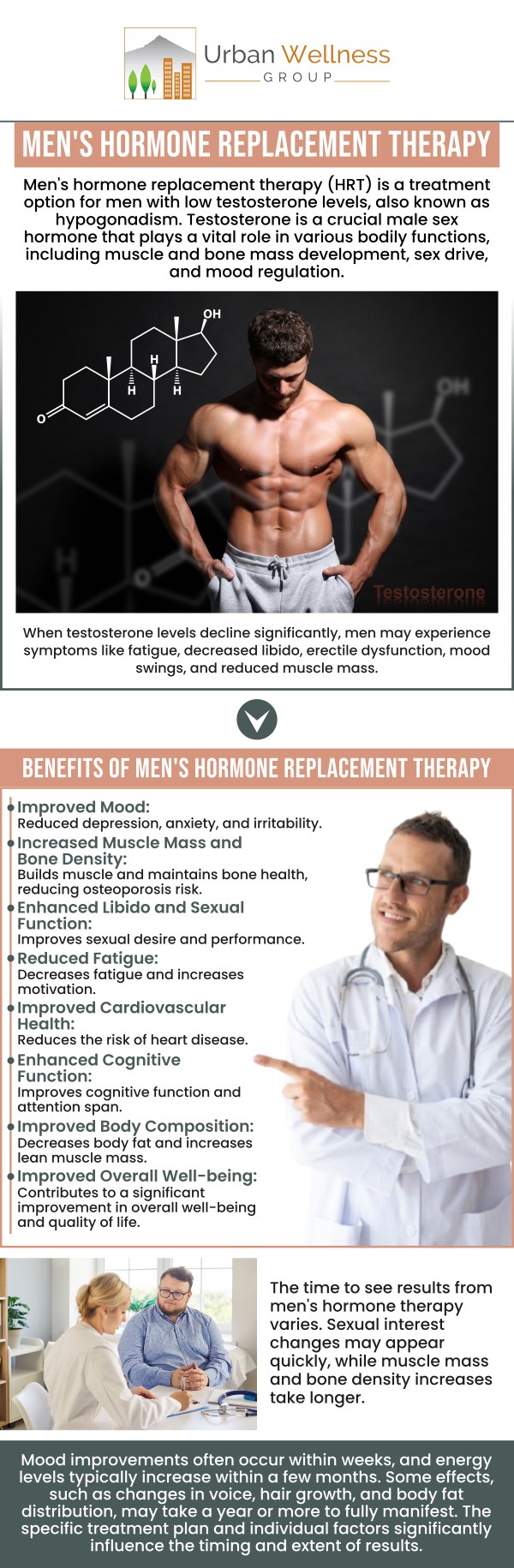
Table of Contents:
What are the common symptoms of low testosterone in men?
How can I know if I have low testosterone?
What causes low testosterone in men?
How does low testosterone affect a man’s health?
How can Dr. Jason Zabell help you manage symptoms of low testosterone with personalized hormone replacement therapy?
At Urban Wellness Group in Portland, OR, we combine functional medicine principles, advanced diagnostics, and personalized therapies — including hormone optimization — to help men manage symptoms of low testosterone and support whole‑body wellness. If you suspect your testosterone levels may be affecting your quality of life, our team is here to guide you with compassionate, individualized care.
Low testosterone—sometimes called low T or male hypogonadism—happens when the body doesn’t produce enough of the hormone testosterone. Testosterone plays a key role in male physical and sexual development, and when levels are low, men may notice a range of symptoms that affect quality of life and overall health.
Some of the common signs and symptoms include:
● Decreased sex drive (libido) and reduced sexual activity
● Erectile dysfunction or difficulty maintaining erections
● Fatigue and lack of energy, even with adequate sleep
● Loss of muscle mass and strength
● Increased body fat, sometimes around the midsection
● Mood changes such as irritability, depression, or low motivation
● Reduced concentration or “brain fog”
● Decline in body and facial hair
● Decreased bone density, which can raise fracture risk over time
These symptoms aren’t exclusive to low testosterone and can overlap with aging or other medical conditions, but when several occur together—especially in middle‑aged or older men—it’s worth evaluating hormone levels with healthcare professionals.
Recognizing low testosterone starts with paying attention to your body and symptoms. If you notice persistent issues such as low sex drive, fatigue that doesn’t improve with rest, or trouble building muscle despite exercise, it may be time to talk to a clinician.
The most definitive way to know if you have low testosterone is through laboratory testing. A healthcare provider will typically:
● Order a blood test to measure testosterone levels
● Collect samples in the morning, when testosterone is naturally highest
● Repeat the test on multiple occasions if the results are borderline
Tests may measure total testosterone (the amount bound in the blood) and sometimes free testosterone (the active form available to tissues). If levels are below accepted reference ranges and symptoms are present, a diagnosis of low testosterone may be made. Discuss your symptoms and test results with your provider to see if treatment is recommended.
Testosterone naturally declines with age, usually beginning around age 30 and slowing further with each decade. However, low testosterone can also result from a number of factors beyond normal aging.
Common causes include:
● Primary hypogonadism, where the testicles don’t produce enough testosterone
● Secondary hypogonadism, involving problems with the brain structures (hypothalamus or pituitary) that stimulate testosterone production
● Injury or infection that affects testicular function
● Chronic health conditions, such as obesity, diabetes, or thyroid disorders
● Certain medications that interfere with hormone production
● Genetic conditions or hormonal imbalances
Because many factors influence hormone levels, a thorough medical assessment is important to determine the underlying cause and guide appropriate care.
Testosterone isn’t only about sex drive — it influences many aspects of a man’s physical and psychological health. When testosterone levels are low, the effects can range from mild discomfort to more serious health issues.
Possible health impacts may include:
● Reduced sexual function, such as libido and erection difficulties
● Decreased muscle strength and reduced physical performance
● Increased body fat and changes in body composition
● Low energy and persistent fatigue
● Mood disturbances, including depression, irritability, or anxiety
● Less bone density and higher fracture risk
● Cognitive effects, like trouble with memory and focus
Because testosterone also plays a role in red blood cell production and metabolic function, untreated low testosterone can have broader implications. That’s why addressing symptoms with the right clinical support can make a meaningful difference in overall quality of life.
At Urban Wellness Group, Dr. Jason Zabell and our experienced team approach low testosterone with a personalized hormone replacement therapy (HRT) strategy tailored to your health, symptoms, and lifestyle. Dr. Zabell starts with a comprehensive consultation that includes a review of your symptoms, medical history, and lab test results to understand your hormone levels and overall health picture.
If low testosterone is confirmed, we work with you to develop a customized treatment plan that may include:
● Bio‑identical hormone replacement therapy, designed to mimic the body’s natural hormones
● Regular monitoring of testosterone levels and symptoms to ensure effectiveness
● Lifestyle and wellness guidance to support overall health and long‑term results
● Ongoing follow‑up to adjust therapy as needed and address any side effects
Hormone therapy can help restore balance, improve energy and mood, enhance sexual function, and support muscle strength and overall well‑being when clinically indicated. Dr. Zabell focuses on individualized care, ensuring that treatment aligns with your specific health goals while monitoring safety and progress.
If you’ve been feeling tired, less engaged, or like your body isn’t functioning as it used to, talking with our team about low testosterone and potential hormone replacement options can be a confident first step toward feeling more like yourself again. For more information, contact us or book an appointment online. Visit us at 4900 SE Division St, Portland, OR 97206. We serve patients from Portland OR, Milwaukie OR, Happy Valley OR, Oak Grove OR, Lake Oswego OR, Beaverton OR, Tigard OR, and surrounding areas.
Check Out Our 5 Star Reviews


Additional Services You May Need
▸ Hyperbaric Oxygen Therapy
▸ Ozone Therapy
▸ Bio-identical Hormone Therapy
▸ IV Therapy
▸ Auto Injury Treatment
▸ Shockwave Therapy
▸ Work Injuries Treatment
▸ Acupuncture
▸ Chinese Medicine
▸ Natural Medicine
▸ Cancer Care
▸ Spinal Alignment
▸ Semaglutide GLP-1

Additional Services You May Need
▸ Hyperbaric Oxygen Therapy
▸ Ozone Therapy
▸ Bio-identical Hormone Therapy
▸ IV Therapy
▸ Auto Injury Treatment
▸ Shockwave Therapy
▸ Work Injuries Treatment
▸ Acupuncture
▸ Chinese Medicine
▸ Natural Medicine
▸ Cancer Care
▸ Spinal Alignment
▸ Semaglutide GLP-1


 Send Text
 How May I Help You?