

FAQs About Hormone Replacement Therapy for Women
At Urban Wellness Group in Portland, OR, Dr. Zabell and his experienced team provide comprehensive answers to your questions about hormone replacement therapy for women. Whether you’re considering HRT for menopause symptoms or other hormonal imbalances, we are here to guide you through the process. We tailor each treatment plan to meet your individual health needs and goals. For more information, contact us or book an appointment online. Visit us at 4900 SE Division St, Portland, OR 97206.
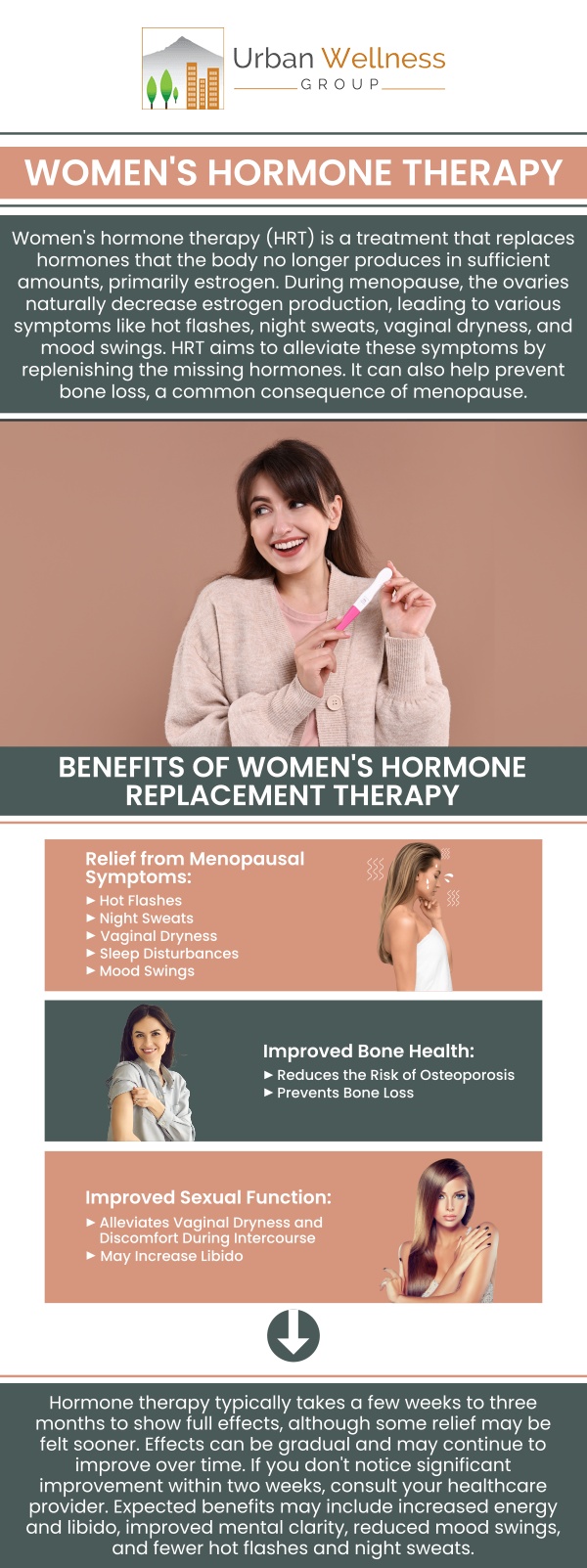
Table of Contents:
What is hormone replacement therapy (HRT) for women?
How does HRT help with menopause symptoms?
What are the benefits of hormone replacement therapy for women?
Are there different types of hormone replacement therapy for women?
What is the difference between estrogen-only therapy and combined therapy?
Is HRT safe for all women?
How long should I use hormone replacement therapy?
Can hormone replacement therapy help with hot flashes?
Can HRT improve sleep during menopause?
Does hormone replacement therapy help with mood swings?
Are there any risks associated with hormone replacement therapy?
Can hormone replacement therapy prevent osteoporosis?
How can I determine if HRT is right for me?
What are the side effects of hormone replacement therapy?
Is hormone replacement therapy recommended for women who have had breast cancer?
Can hormone replacement therapy improve sexual health?
Does HRT affect weight or metabolism?
What are the alternatives to hormone replacement therapy for menopause symptoms?
How can I stop hormone replacement therapy safely?
How soon will I see results after starting hormone replacement therapy?
Hormone replacement therapy (HRT) is a treatment used to relieve symptoms of menopause by replacing hormones that the body no longer produces in sufficient amounts. As women approach menopause, their levels of estrogen and progesterone decline, leading to a range of symptoms such as hot flashes, mood swings, and vaginal dryness. HRT works by replenishing these hormones, either through estrogen alone or combined estrogen and progesterone therapy, depending on whether a woman has a uterus.
HRT helps alleviate several common symptoms of menopause, including:
● Hot flashes
● Night sweats
● Vaginal dryness
● Mood swings
● Sleep disturbances
● Decreased libido
By restoring hormone levels, HRT targets the underlying cause of these symptoms, offering relief and helping women feel more comfortable during this natural phase of life. It can also improve bone density, reduce the risk of osteoporosis, and support heart health, as estrogen plays a key role in maintaining bone strength and cardiovascular function.
The benefits of HRT for women, particularly those going through menopause, include:
● Relief from hot flashes and night sweats
● Improved vaginal health, including lubrication and elasticity
● Better sleep by managing sleep disruptions associated with hormonal changes
● Mood stabilization by reducing feelings of irritability and depression
● Reduced risk of osteoporosis, as estrogen helps maintain bone density
● Support for heart health, since estrogen has a protective effect on the cardiovascular system
In addition to symptom relief, HRT also promotes overall well-being, improving quality of life during menopause.
Yes, there are several types of HRT, depending on your individual needs and health circumstances.
● Estrogen-only therapy: Used for women who have had a hysterectomy (removal of the uterus), as progesterone is not needed to protect the uterine lining.
● Combined estrogen and progesterone therapy: For women with a uterus, progesterone is added to protect against endometrial cancer.
● Bioidentical hormone therapy: This uses hormones that are chemically identical to those produced by the body, offering a more natural approach to treatment. These may be available in pills, patches, creams, or pellets.
● Low-dose vaginal estrogen: Used to treat vaginal dryness, this form of estrogen is applied locally and has minimal systemic effects.
Each type of HRT is tailored to individual health needs and preferences, ensuring the most effective treatment plan.
Estrogen-only therapy is used for women who have had a hysterectomy and no longer have a uterus. Since they do not need to protect the uterine lining from estrogen’s effects, estrogen alone is effective and sufficient.
Combined therapy includes both estrogen and progesterone (or a synthetic progestin). This is necessary for women who still have their uterus, as progesterone prevents the overgrowth of the uterine lining, which could increase the risk of endometrial cancer. For women with a uterus, combined therapy offers comprehensive symptom relief while ensuring safety.
While HRT is safe and effective for many women, it is not suitable for everyone. Factors such as age, medical history, and individual health risks are considered when determining if HRT is appropriate. For example, women with a history of certain conditions, such as breast cancer, blood clots, liver disease, or heart disease, may not be candidates for HRT.
Dr. Jason Zabell at Urban Wellness Group takes a personalized approach, carefully evaluating each patient’s health history and symptoms before recommending HRT. Regular check-ups and monitoring during treatment help ensure safety and effectiveness.
The duration of HRT varies from person to person, depending on symptoms and individual health goals. Most women use HRT for several years, typically around 5–10 years, but this is flexible. The decision is made based on:
● The severity of symptoms
● Risk factors for conditions like breast cancer or heart disease
● Ongoing monitoring and reassessment by your healthcare provider
The general recommendation is to use the lowest effective dose for the shortest period necessary while managing symptoms and maintaining quality of life.
Yes, HRT is one of the most effective treatments for hot flashes, a common and often disruptive symptom of menopause. By supplementing estrogen, HRT helps stabilize body temperature regulation and reduce the frequency and intensity of hot flashes. For many women, HRT provides significant relief, allowing them to manage this symptom more effectively than with lifestyle changes or over-the-counter remedies alone.
Yes — one of the significant benefits of HRT is its ability to improve sleep quality. Menopausal symptoms like hot flashes and night sweats often disrupt sleep, leading to fatigue and irritability. By addressing these symptoms, HRT can help regulate sleep patterns, allowing women to rest more soundly and feel refreshed.
Yes, HRT can stabilize mood swings by balancing estrogen levels, which have a significant effect on brain function and emotions. Many women report improvements in mood, anxiety, and irritability after starting HRT, making it a helpful option for women experiencing emotional turbulence during menopause.
While HRT offers substantial benefits, there are some potential risks to consider:
● Increased risk of blood clots and stroke in some women, particularly those who smoke or have a history of clotting disorders.
● Increased risk of breast cancer, particularly with long-term use of combined estrogen and progesterone therapy.
● Uterine cancer if estrogen is used alone without progesterone in women with a uterus.
● Gallbladder disease and liver issues in certain cases.
Dr. Jason Zabell at Urban Wellness Group helps women weigh the benefits and risks, ensuring a balanced approach tailored to individual health needs.
Yes, HRT can help prevent osteoporosis by maintaining bone density. Estrogen plays a key role in bone health, and during menopause, when estrogen levels drop, bones can become thinner and more prone to fractures. By supplementing estrogen, HRT helps maintain bone strength and reduces the risk of fractures.
Dr. Jason Zabell conducts a thorough evaluation to determine if HRT is suitable for you. Factors such as your medical history, symptoms, and overall health guide the decision. Lab tests may also be done to assess hormone levels, and any potential risks will be discussed thoroughly.
Like any treatment, HRT can have side effects, including:
● Breast tenderness or swelling
● Mood changes
● Nausea
● Headaches
● Spotting or bleeding (especially in the early stages)
These side effects often subside over time, but if they persist or worsen, adjustments to the treatment may be necessary.
In general, HRT is not recommended for women who have had breast cancer or have a history of hormone‑sensitive cancers. Estrogen can stimulate the growth of some types of breast cancer cells. However, individualized approaches may be considered in certain cases, depending on the type of breast cancer and the individual’s current health.
Yes, HRT can improve sexual health by addressing vaginal dryness, low libido, and discomfort during intercourse—all of which are common during menopause. By restoring estrogen, many women notice increased lubrication, improved sexual desire, and better overall sexual function.
Estrogen has a role in regulating metabolism and fat distribution. Many women experience weight gain during menopause due to a combination of hormonal changes and aging. While HRT alone may not lead to significant weight loss, it can help prevent further weight gain by stabilizing metabolic function and supporting overall well‑being.
If HRT isn’t suitable for you, several alternatives can help manage menopause symptoms:
● Lifestyle changes (diet, exercise, stress management)
● Non‑hormonal medications (e.g., SSRIs for mood changes, gabapentin for hot flashes)
● Herbal remedies (such as black cohosh or phytoestrogens)
● Vaginal moisturizers for dryness
Dr. Zabell works with you to find the right solution based on your preferences and health needs.
If you wish to stop HRT, Dr. Zabell will help you gradually taper off to avoid withdrawal symptoms. This should be done under medical supervision to ensure symptom management and adjust your recovery plan.
Many women begin to notice symptom relief from HRT within a few weeks, especially for hot flashes, mood swings, and vaginal dryness. However, it may take 3–6 months to experience the full benefits of treatment, including improvements in sleep and energy.
At Urban Wellness Group, Dr. Jason Zabell offers personalized hormone replacement therapy to help you manage menopause symptoms, improve quality of life, and maintain long‑term health. If you’re experiencing symptoms of menopause and are wondering if HRT is right for you, contact us today for a consultation. For more information, contact us or book an appointment online. Visit us at 4900 SE Division St, Portland, OR 97206. We serve patients from Portland OR, Milwaukie OR, Happy Valley OR, Oak Grove OR, Lake Oswego OR, Beaverton OR, Tigard OR, and surrounding areas.
Check Out Our 5 Star Reviews


Additional Services You May Need
▸ Hyperbaric Oxygen Therapy
▸ Ozone Therapy
▸ Bio-identical Hormone Therapy
▸ IV Therapy
▸ Auto Injury Treatment
▸ Shockwave Therapy
▸ Work Injuries Treatment
▸ Acupuncture
▸ Chinese Medicine
▸ Natural Medicine
▸ Cancer Care
▸ Spinal Alignment
▸ Semaglutide GLP-1

Additional Services You May Need
▸ Hyperbaric Oxygen Therapy
▸ Ozone Therapy
▸ Bio-identical Hormone Therapy
▸ IV Therapy
▸ Auto Injury Treatment
▸ Shockwave Therapy
▸ Work Injuries Treatment
▸ Acupuncture
▸ Chinese Medicine
▸ Natural Medicine
▸ Cancer Care
▸ Spinal Alignment
▸ Semaglutide GLP-1


 Send Text
 How May I Help You?