

How Hormone Replacement Therapy Helps During Menopause
At Urban Wellness Group in Portland, OR, Dr. Zabell and his experienced team offer hormone replacement therapy to help manage the symptoms of menopause. HRT can alleviate hot flashes, night sweats, mood swings, and vaginal dryness, helping women maintain a high quality of life during this transition. Our team provides personalized care to ensure the therapy fits your unique health needs. For more information, contact us or book an appointment online. Visit us at 4900 SE Division St, Portland, OR 97206.
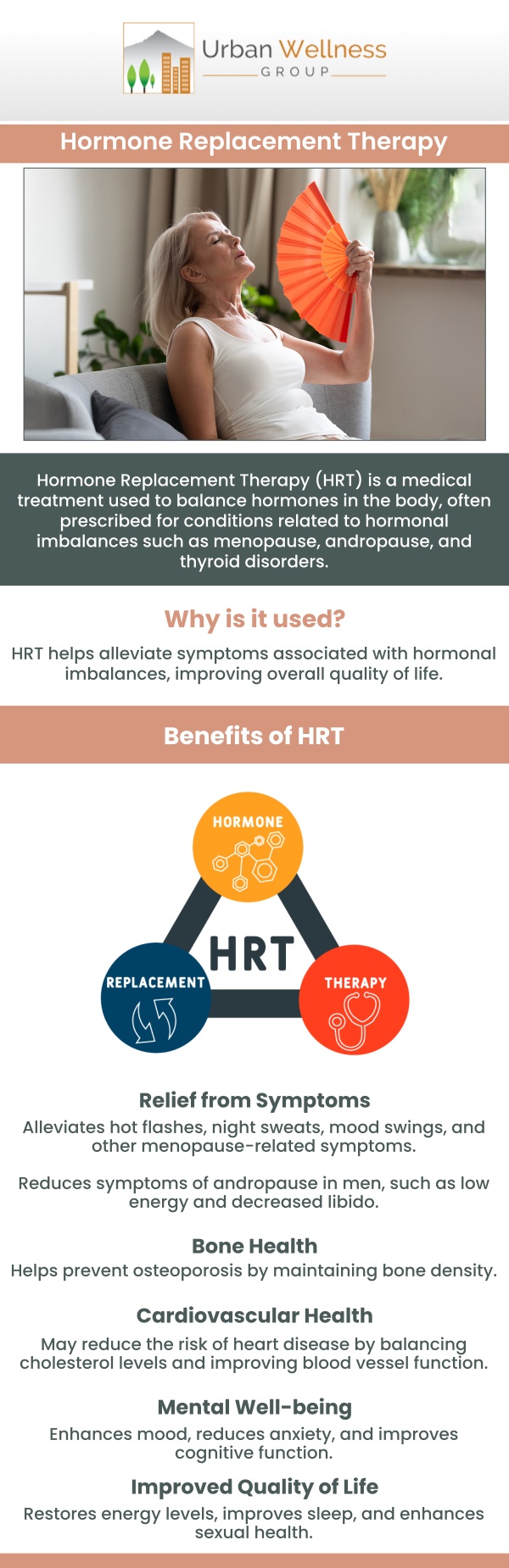
Table of Contents:
What is menopause, and why is hormone replacement therapy important?
How does hormone replacement therapy work during menopause?
What are the common symptoms of menopause that HRT helps treat?
Can hormone replacement therapy prevent osteoporosis during menopause?
How can Dr. Jason Zabell support you through menopause with customized hormone replacement therapy?
Menopause is a natural transition, but it doesn’t have to be an uncomfortable one. With the right support and a customized hormone replacement therapy plan, you can regain balance, reduce symptoms, and improve your quality of life.
Menopause is a natural stage in a woman’s life that marks the end of menstrual cycles—typically occurring in the late 40s to early 50s. It is officially diagnosed after 12 consecutive months without a menstrual period. During menopause, the ovaries gradually produce less estrogen and progesterone, two key hormones that regulate the menstrual cycle and influence many body systems.
As hormone levels decline, many women experience uncomfortable symptoms that can interfere with daily life. Because estrogen and progesterone affect more than just reproductive function — including bone health, cardiovascular function, mood, and sleep — the hormonal shifts of menopause can have widespread effects.
This is where hormone replacement therapy (HRT) becomes important. HRT works by supplementing the hormones your body is no longer producing in sufficient amounts, helping restore balance and reduce symptoms. Rather than masking signs of menopause temporarily, HRT addresses the underlying hormonal changes that cause them. This supportive treatment can improve quality of life, reduce discomfort, and help maintain long-term health.
Hormone replacement therapy involves administering estrogen alone or a combination of estrogen and progesterone (or a progestogen) to compensate for the decline in natural hormone production.
Here’s how HRT works during menopause:
Estrogen Replacement: Estrogen is the primary hormone that declines during menopause and is responsible for many of the most bothersome symptoms. Replacing estrogen helps:
● Reduce hot flashes and night sweats
● Improve vaginal dryness and discomfort
● Support bone density
● Enhance mood and energy levels
Progesterone or Progestogen: If you still have a uterus, progesterone (or a synthetic progestogen) is combined with estrogen to protect the uterine lining from excessive growth, which can reduce the risk of endometrial issues.
Delivery Methods: HRT can be delivered in various forms based on your needs and preferences:
● Oral tablets
● Transdermal patches
● Topical gels or creams
● Vaginal rings or creams
● Bio‑identical hormone preparations
Each method offers different advantages in terms of dosing flexibility and side effect profiles, and Dr. Zabell helps guide the best choice for your specific health needs.
Over time, the goal of HRT is to provide enough hormone support to relieve symptoms while maintaining safety, often using the lowest effective dose for the shortest necessary duration—individualized to you.
Many women experience a range of symptoms during menopause, and hormone replacement therapy can significantly reduce or eliminate several of them:
● Hot Flashes and Night Sweats: These sudden bursts of heat are among the most common and disruptive symptoms. Estrogen replacement often reduces both frequency and intensity.
● Vaginal Dryness and Discomfort: Lower estrogen can lead to thinning and dryness of vaginal tissues. HRT helps restore lubrication and flexibility, improving comfort during daily activities and intimacy.
● Sleep Disturbances: Night sweats and hormone‑related changes can interfere with sleep patterns. With balanced hormone levels, many women enjoy better rest and reduced nighttime awakenings.
● Mood Changes and Irritability: Fluctuating hormones can contribute to mood swings, anxiety, or low mood. HRT can help stabilize emotional well‑being for many women.
● Decreased Libido: Some women notice a drop in sexual desire during menopause. By restoring hormonal balance, HRT may support a healthier libido and sexual satisfaction.
● Cognitive Changes: Some women report difficulty with focus or memory during menopause. While not all cognitive changes are hormone-related, HRT may help indirectly by improving sleep and mood.
By targeting the hormonal shifts at the source, HRT often provides more meaningful relief than treating symptoms individually.
Yes—one of the long‑term health benefits of hormone replacement therapy is its ability to help preserve bone density and reduce the risk of osteoporosis. Estrogen plays a crucial role in maintaining bone strength by slowing bone breakdown and supporting new bone formation.
Why this matters
After menopause, the rapid decline in estrogen accelerates bone loss, which increases the risk of:
● Osteopenia (early bone thinning)
● Osteoporosis (significant bone weakening)
● Fractures, especially in the hips, spine, and wrists
Studies show that HRT can slow bone loss and help maintain bone density, especially when started near the onset of menopause. This does not replace the need for regular bone density testing or a comprehensive approach that includes diet, exercise, and calcium/vitamin D support, but it can be an important part of preserving skeletal health.
Because bone health is connected to overall well‑being and mobility later in life, discussing HRT’s potential benefits and risks with a clinician is an important step in long‑term health planning.
At Urban Wellness Group in Portland, OR, Dr. Jason Zabell specializes in individualized hormone replacement therapy programs designed to meet your specific health needs and symptom profile. Rather than using standardized regimens, Dr. Zabell and his team take a personalized approach that includes:
1. Comprehensive Evaluation: This begins with a thorough review of your symptoms, medical history, lifestyle, and lab work to understand your hormone levels and health priorities.
2. Tailored Hormone Protocol: Dr. Zabell designs an HRT plan that considers:
● Your symptom severity
● Your health goals
● Your risk factors
● The most appropriate delivery method (oral, patch, gel, etc.)
Bio‑identical options are often considered for women seeking hormone structures more closely matched to natural hormones.
3. Lifestyle Integration: Menopause care at Urban Wellness Group isn’t limited to hormones. Diet, exercise, sleep habits, stress management, and supplemental therapies are integrated to support whole‑body wellness.
4. Ongoing Monitoring: Hormone replacement therapy is not “set and forget.” Dr. Zabell regularly reviews treatment effectiveness, adjusts dosages, and monitors for changes to ensure safety and optimal results.
5. Education and Empowerment: You’ll be informed about how hormones affect your body and what to expect from treatment so you can make confident decisions about your health.
6. Supportive Care Environment: Menopause affects many aspects of life — physical, emotional, and social. The Urban Wellness Group team offers compassionate support and practical strategies every step of the way.
At Urban Wellness Group with Dr. Jason Zabell, you receive personalized care designed to match your unique health needs and help you thrive through menopause — not just survive it. For more information, contact us or book an appointment online. Visit us at 4900 SE Division St, Portland, OR 97206. We serve patients from Portland OR, Milwaukie OR, Happy Valley OR, Oak Grove OR, Lake Oswego OR, Beaverton OR, Tigard OR, and surrounding areas.
Check Out Our 5 Star Reviews


Additional Services You May Need
▸ Hyperbaric Oxygen Therapy
▸ Ozone Therapy
▸ Bio-identical Hormone Therapy
▸ IV Therapy
▸ Auto Injury Treatment
▸ Shockwave Therapy
▸ Work Injuries Treatment
▸ Acupuncture
▸ Chinese Medicine
▸ Natural Medicine
▸ Cancer Care
▸ Spinal Alignment
▸ Semaglutide GLP-1

Additional Services You May Need
▸ Hyperbaric Oxygen Therapy
▸ Ozone Therapy
▸ Bio-identical Hormone Therapy
▸ IV Therapy
▸ Auto Injury Treatment
▸ Shockwave Therapy
▸ Work Injuries Treatment
▸ Acupuncture
▸ Chinese Medicine
▸ Natural Medicine
▸ Cancer Care
▸ Spinal Alignment
▸ Semaglutide GLP-1


 Send Text
 How May I Help You?